A ball of hair with ambitions
Spines, muscles, legs and senses. The European hedgehog, Erinaceus europaeus, from the outside in.
The spines
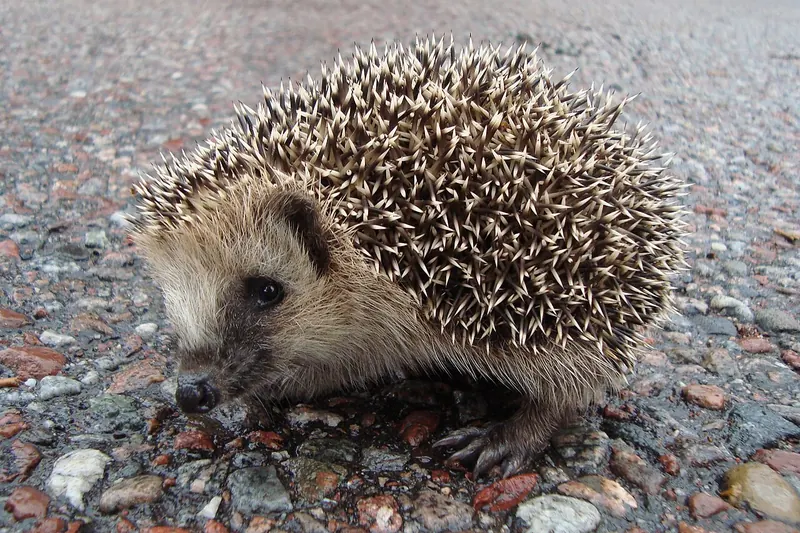
A European hedgehog carries roughly 5,000–7,000 spines, each about 2–3 cm long. Hedgehog Street
Spines are hollow hairs stiffened with keratin, the same protein as your fingernails. They are not poisonous or barbed and, unlike porcupine quills, do not easily detach. Wikipedia
Young hedgehogs shed their baby spines for adult ones, a process called quilling. source
Spines are a defence, not a weapon. A hedgehog doesn’t shoot them, and they don’t come out in your hand. That’s porcupines, and porcupines are rodents. source
Rolling up
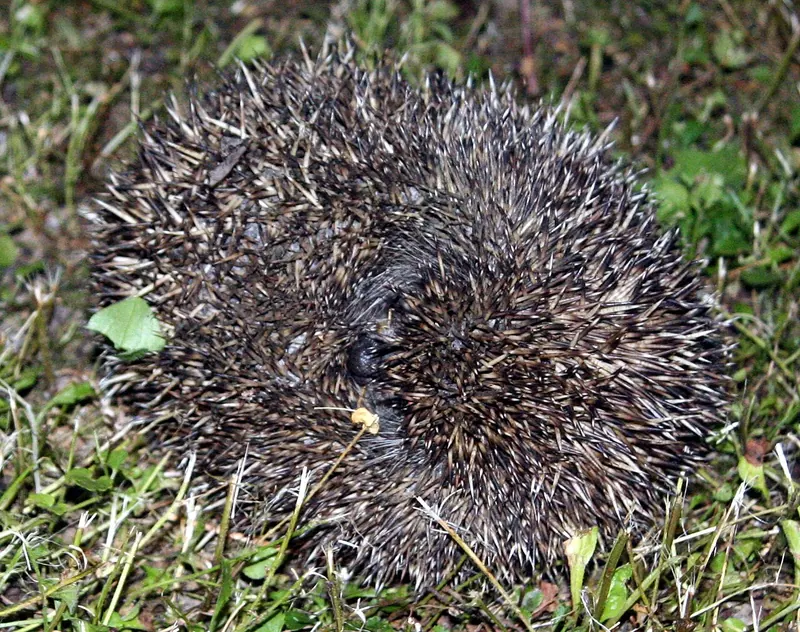
Two large muscles in the back control the position of the quills, and a draw-string muscle lets the hedgehog curl into a ball. source A ring of muscle works like a draw-string to pull the spiny skin around the body. Hedgehog Street
Size and weight
European hedgehogs measure about 160 mm (head and body) at weaning, rising to 260 mm or more in large adults. The tail is just 20–30 mm. source
Adults usually weigh over 1,100 g; the record is 2,000 g, though few wild ones top 1,600 g even in autumn. source
Legs, feet and senses
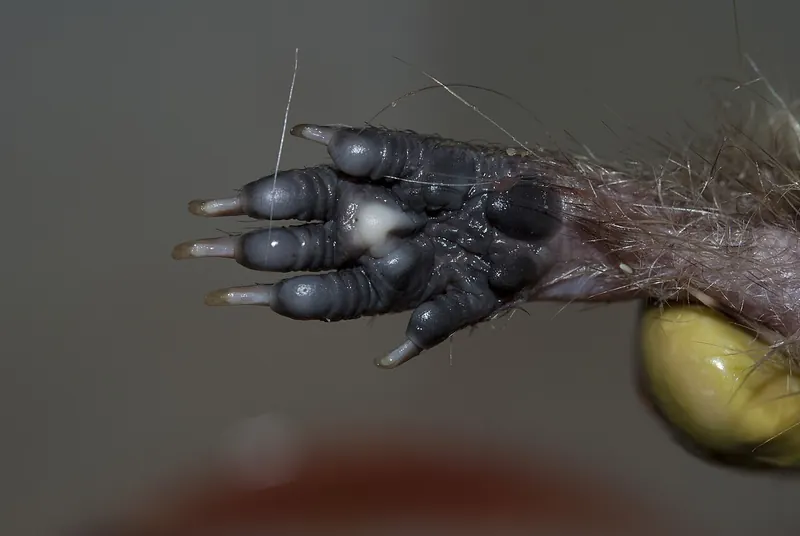
Under the skirt of spines are surprisingly long legs (about 10 cm) and five clawed toes on each foot. Hedgehog Street Eyesight is poor; hedgehogs find food mainly by smell and hearing. Hedgehog Street
Colour
Most hedgehogs are brown with pale tips to the spines. Pale "blonde" (leucistic) hedgehogs are rare, except on Alderney and North Ronaldsay; on Alderney about a quarter of the population is thought to be blonde. source
Venom
Hedgehogs have some resistance to snake venom thanks to a protein called erinacin, but not much: a viper bite can still kill one. source Hedgehog Street's myth-buster: hedgehogs are not immune to snake bites. They have only partial resistance to venom, and a bite to the face or leg could still kill one, but Britain's only venomous snake, the adder, can't bite through the spines. Hedgehog Street
A very old design
Hedgehogs have changed little over the last 15 million years. source The word "hedgehog" came into use around 1450, from Middle English heyghoge: hedge (where it lives) plus hog (for the piglike snout). source